







Search Results for: Equatorial Country

Ecuador, the Equatorial Country: A Complete Analysis of the Terroir and Flavor of High-Altitude Organic Coffee Regions
Among the many coffee-producing countries in South America, Ecuador is often overlooked, yet it possesses ideal conditions for growing specialty coffee, such as low latitude, high altitude, and volcanic ash soil. In this article, Front Street will take you through the coffee-growing history and recent revival of this equatorial country, the terroir characteristics of major producing regions such as Loja, the Galápagos Islands, and the Intag Valley, as well as the flavor expressions brought by washed processing and varieties like Bourbon and Typica—juicy and complex, with jammy sweetness and yellow fruit notes. We also include Front Street's roasting and brewing suggestions, so you can fully appreciate the potential and charm of Ecuadorian organic coffee beans. [more…]
Ecuadorian Coffee Flavor Characteristics and Notable Brands: An Analysis of the Potential and Challenges of Specialty Coffee in the Equatorial Country
Among the many coffee-producing countries in South America, Ecuador—though bisected by the equator and blessed with conditions like the Andes Mountains and volcanic ash soil—has long failed to secure a prominent place in the specialty coffee market. From the perspective of Front Street, this article traces the historical threads of Ecuadorian coffee, the current state of the industry, and its varieties and processing methods, analyzing why its flavors are so juicy and complex with pronounced sweetness, and introducing major producing regions such as Loja and the Galápagos Islands, along with Front Street's professional recommendations for roasting and brewing. [more…]
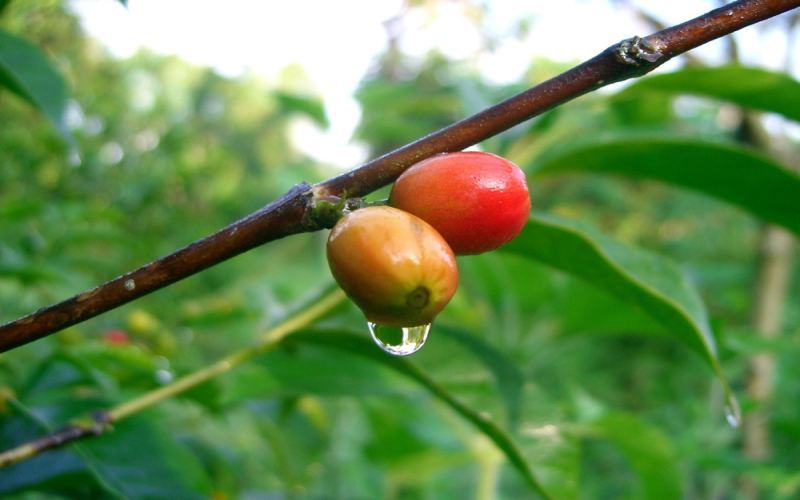
A Complete Guide to Ecuador's Coffee Regions: Flavor Characteristics of an Equatorial Country Where Arabica and Robusta Coexist
Ecuador, a small South American country bisected by the equator, is not only one of the few origins where both Arabica and Robusta coexist, but also stands out for its Andean mountains, volcanic ash soils, and the organic coffee of the Galápagos Islands. From a growing history that stretches back to the early nineteenth century, to ancient varieties such as Bourbon and Typica, and to the clean cup profile brought about by washed processing, Ecuadorian coffee presents a diverse range of nutty, chocolatey, fruity, and softly acidic flavors. This article will take you through Ecuador's major producing regions, introduce their varieties, processing methods, and flavor characteristics, and share Front Street Coffee's fresh roasting and brewing suggestions. [more…]
Papua New Guinea Specialty Coffee Beans: A Detailed Guide to Sigri AA Flavor Characteristics, Grading System, and Roasting Recommendations
Papua New Guinea is located in the southwestern Pacific, with an equatorial rainy climate and vast tropical rainforests. Its highlands, at elevations of 1,300 to 1,800 meters, produce coffee of outstanding quality. This article focuses on the AA-grade beans produced by the country's famous Sigri estate, outlining the characteristics of its Typica variety, three-stage washed processing method, cupping flavor performance, and diverse roasting directions. It also introduces the origin background and taste characteristics of this coffee bean recommended by the Front Street brand, providing coffee lovers with a complete understanding from origin to cup. [more…]
A Detailed Guide to Coffee Varieties in Ecuador, South America: From Bourbon and Typica to the Flavor Characteristics of the Galápagos Islands
Located in northwestern South America, Ecuador is one of the few countries that cultivates both Arabica and Robusta coffee. Although production historically suffered a significant decline, in recent years it has re-emerged thanks to specialty coffee practices and its geographical advantages. From the Intag Valley to the highlands of Loja, from organic farming in the Galápagos Islands to ancient varieties such as Bourbon and Typica, Ecuadorian coffee displays a delicate balance among acidity, sweetness, and bitterness. This article systematically reviews the country's main producing regions, processing methods, variety characteristics, and trading systems, and introduces the Golden Cup competition and the challenges currently faced, giving you a comprehensive understanding of the coffee landscape of this equatorial nation. [more…]
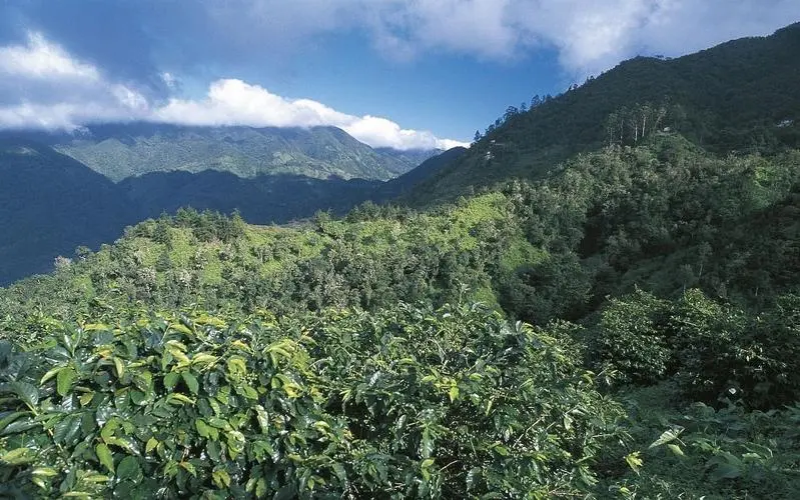
Kenya Thika Region Asali Processing Plant: An In-Depth Analysis of SL28 and SL34 Varieties and the K72 Washing Method
Kenya, as an important representative of African specialty coffee, produces uniquely flavored coffee thanks to its high equatorial altitude and volcanic soil. This article focuses on the Asali Processing Plant in the Thika region, outlining the breeding background and flavor differences of the two major varieties SL28 and SL34, and explaining in detail Kenya's signature K72 washed processing method. It also presents the complete parameters and brewing performance of Front Street Coffee Asali AA TOP, whose layered notes range from cherry tomato to smoked plum, showcasing the typical charm of Kenyan coffee's bright acidity and clean mouthfeel. [more…]
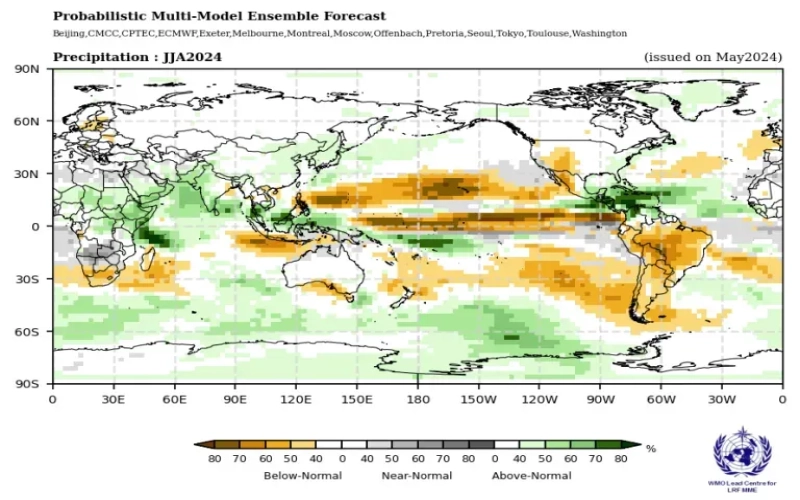
Extreme heat sweeps across coffee-growing regions in multiple countries: Vietnam, Brazil, and Mexico see clear production declines, while Colombia bucks the trend with increased output
Since the start of summer, many countries around the world have experienced sustained high temperatures, with sea surface temperatures generally elevated outside the near-equatorial eastern Pacific and land temperatures rising accordingly, dealing a blow to agricultural production including coffee. Vietnam has suffered its worst drought in nearly a decade, with coffee trees severely damaged; Indonesia is still weighed down by last year's drought, reducing the volume available for export; Brazil's output has fallen short of expectations, and about 80% of Mexico's planted area has been affected, with production cuts expected to reach as much as 50%. At the same time, Colombia's first-half output hit a three-year high. The widening scope of production cuts pushed the ICO composite coffee price index up 8.9% month on month, and La Niña weather may further aggravate volatility. [more…]
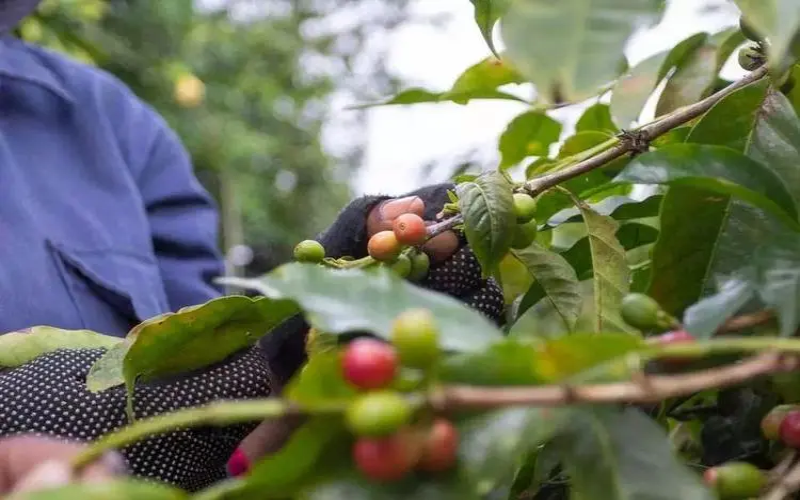
An Analysis of Kenya's Coffee Industry Landscape, Bean-Type Grading System, SL Series Varieties, and the K72 Washing Process
Kenya is located in the equatorial zone of East Africa, with the Great Rift Valley running through the entire country. The central highlands and volcanic soil provide an ideal terroir for specialty coffee. From the introduction of coffee by French missionaries in 1893, to the large estate cultivation during the British colonial period, to the passage of the Coffee Act in 1933, the establishment of the auction system in 1934, and the agricultural legislation of the 1950s that granted farmers land use rights, Kenya gradually built up its own coffee industry. Its grading system is based on bean size and quality, divided into AA+, AA, AB, PB, C, E, TT, and T. Exporters also add cup grading of TOP, PLUS, and FAQ to AA and AB. In terms of varieties, SL28 and SL34 are representative, with the former originating from Bourbon and the latter from Typica, offering complex flavors and prominent sweetness. In terms of processing methods, K72 washed processing forms a 72-hour cycle through three rounds of 24-hour fermentation each, bringing bright acidity and a clean mouthfeel. Front Street Coffee's Asalia AA TOP comes from the Asail processing plant in the Thika region, using SL28 and SL34 with K72 washed processing, presenting flavor notes of cherry tomatoes, smoked plums, berries, citrus, and green tea. [more…]
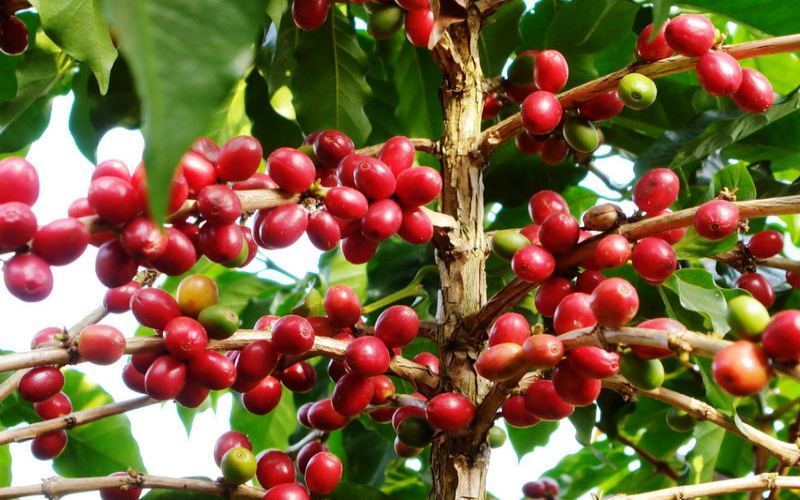
San Cristóbal and Galápagos Coffee: Tracing the Flavor Origins and Growing Conditions of Ecuador's Island Region
In the eastern Pacific's Galápagos Islands, San Cristóbal Island, with its abundant freshwater resources and unique microclimate, produces a highly acclaimed coffee treasure. This island is not only the only landmass in the archipelago with sufficient freshwater, but also, thanks to the Ecuadorian government's strict ecological protection policies, has become a representative region for naturally organic coffee. This article will guide you through an in-depth understanding of San Cristóbal's geographical environment, coffee-growing history, flavor characteristics, and the role of the Andes in Ecuador's coffee landscape. At the same time, we will also share Front Street Coffee's practical suggestions on fresh roasting and brewing to help you better savor this unique coffee from an equatorial island. [more…]
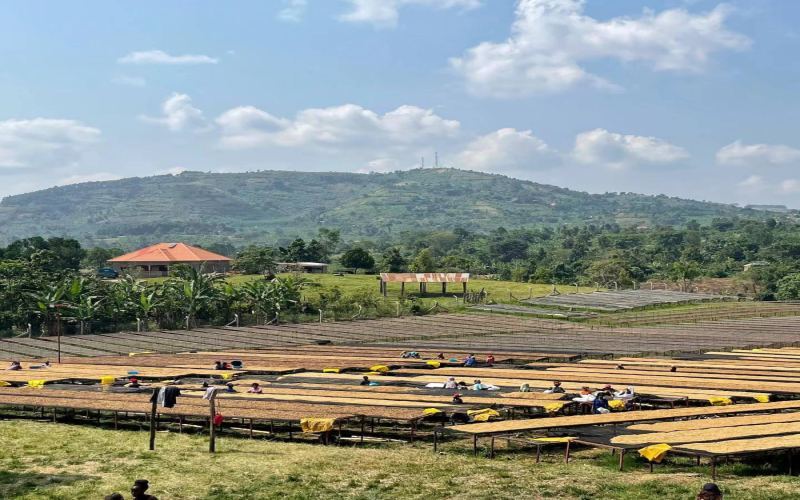
A Complete Analysis of Ugandan Coffee Bean Origins, Grades, and Flavors: The Quality Code from Robusta to Arabica
Uganda is located at the source of the Nile and is a landlocked country in Africa. It has a long history of coffee cultivation, yet its quality stagnated due to prolonged wars. Over the past fifteen years, as the situation stabilized, Uganda's coffee industry has experienced rapid development. This article will take you into a deeper understanding of Uganda's coffee production regions, variety structure, processing methods, and grading system, and analyze its flavor characteristics such as full-bodied fruity notes, red-wine-like complexity, and a unique earthy aroma. Front Street Coffee (FrontStreet Coffee) joins you in exploring the coffee potential of this equatorial highland. [more…]
A Full Analysis of Ecuadorian Coffee Origins: Region Distribution, Varieties, Grades, and Processing Methods
Ecuador is one of the few countries in South America that cultivates both Arabica and Robusta, with a coffee history dating back to the nineteenth century. Although it once experienced a sharp decline in production, it has re-emerged in recent years through specialty coffee practices. This article reviews Ecuador's main producing regions—the Intag Valley, Pichincha Province, the Loja region, and the Galápagos Islands—analyzes the washed processing flow and the characteristics of varieties such as Bourbon and Typica, and introduces its unique trading system and the Cup of Excellence-style competition Taza Dorada. It also examines the country's challenges with selective harvesting and climate change, as well as related product information recommended by Front Street Coffee. [more…]
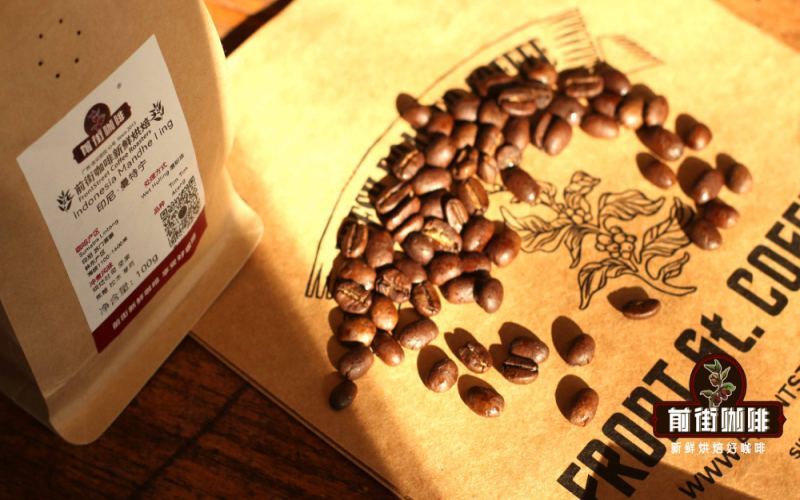
A Complete Analysis of Indonesia's Three Major Island Coffee Regions: The Flavor Codes of Sumatra, Java, and Sulawesi
Indonesia is one of the most important coffee-producing countries in the world, made up of more than seventeen thousand islands stretching across the equatorial volcanic belt, where the hot, humid climate and fertile volcanic soil provide exceptional conditions for coffee cultivation. This article systematically reviews the coffee characteristics of Indonesia's three core producing regions—Java, Sumatra, and Sulawesi—covering their historical development, variety distribution, processing methods, and flavor profiles one by one. Front Street Mandheling, Front Street Golden Mandheling, and other signature products are also examined in detail, giving you a comprehensive understanding of this coffee kingdom renowned for its rich, full-bodied character. [more…]

Tanzanian Coffee at the Foot of Mount Kilimanjaro: Origins, Flavor Profile, and Pour-Over Brewing Guide
Tanzania is an important coffee-producing country in East Africa, and the Kilimanjaro region is the country's most renowned coffee calling card. This snow-capped peak on the equator, with its volcanic ash soil, dramatic temperature swings, and abundant rainfall, nurtures coffee that combines bright acidity with a full-bodied mouthfeel. Front Street believes that Tanzanian coffee has a prominent aroma and a rich yet refreshingly smooth oiliness, with notes of wild forest, caramel sweetness, and creamy chocolate, a delicate and lingering finish, and an acidity reminiscent of Kenyan wine-like qualities. This article will provide a complete overview of the flavor profile of Kilimanjaro coffee, from the region's background, historical development, and cooperative system to brewing parameters, along with Front Street's roasting and pour-over recommendations for coffee enthusiasts' reference. [more…]

El Niño Expected to Wind Down in April, La Niña to Return in the Second Half of the Year and Potentially Batter Global Coffee-Producing Regions Again
The latest meteorological forecasts indicate that the El Niño condition is expected to come to an end around April 2024. After a brief neutral phase, La Niña may form between June and August and persist through the second half of the year. Previously, El Niño brought extreme weather such as heavy rain, drought, and high temperatures to coffee-growing regions in Brazil, India, Vietnam, Indonesia, and other places, causing reduced production and driving up international coffee prices. As La Niña takes over, southeastern Brazil may face reduced rainfall and the risk of frost, while Indonesia may experience heavy rainfall and even floods, and the coffee berry harvest may be hit again. Front Street Coffee will also continue to monitor the impact of climate change in producing regions on the coffee supply chain. [more…]
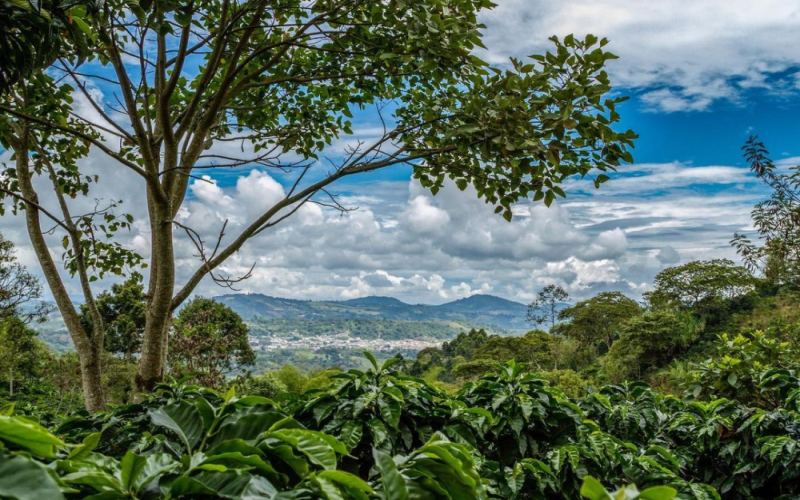
Analysis of Coffee Flavors by Colombian Region: Taste Characteristics and Brewing Tips from Medellín to Nariño
Colombia, with its geographical advantage of dual ports on the Atlantic and Pacific, has become the country with the lowest coffee transportation costs in South America. Its traditional producing regions are distributed along the Eastern and Central Cordilleras and in the southern regions of Huila, Cauca, and Nariño, forming a flavor map with distinctive characteristics. From the full-bodied richness of Medellín and the fresh herbal notes of Santander, to the nutty-chocolate tonality of Huila and the high-altitude sweet-acidity balance of Cauca, and further to the equatorial high-mountain microclimate of Nariño, each producing region displays its own unique charm. This article systematically reviews the taste characteristics of Colombia's main producing regions, Front Street Coffee's cupping evaluations and roasting recommendations, and includes brewing parameter references to help coffee enthusiasts gain a comprehensive understanding of the diversity of Colombian coffee. [more…]
A Complete Analysis of Kenyan Coffee Regions: From SL Varieties to the K72 Washing Method and the Historical Thread of the Auction System
Kenya is located in the equatorial zone of East Africa, with the Great Rift Valley running north to south through the country. The plateaus within its borders have an average elevation of about 1,500 meters, providing exceptional terroir conditions for coffee cultivation. Coffee is Kenya's second-largest agricultural export after tea, grown mainly on volcanic plots at elevations of 1,600 to 2,100 meters from the capital Nairobi to the areas around Mount Kenya. This article systematically examines the varietal composition of Kenyan coffee, the microclimatic characteristics of each major producing county, the iconic K72 washed processing method, the green bean grading system, and the evolution of the auction system from the colonial period to the rise of smallholder cooperatives—taking you deep into the complete picture of this heavyweight of African specialty coffee. [more…]

A Complete Guide to Brewing Colombian Coffee: Sidra Fruit-Forward Beans, Huila Region Flavors, and Pour-Over Parameters
Colombian coffee is renowned for its diverse styles, featuring both fresh and fragrant fruity notes and the classic expression of mellow balance with a chocolate-sweet finish. This wide-ranging flavor profile makes it unique in the global specialty coffee landscape. This article, from the perspective of Front Street Coffee, will examine how the volcanic soil regions of southern Colombia—Huila, Cauca, Nariño, and Tolima—nurture delicate acidity and berry sweetness through their high altitudes and equatorial advantages, and will highlight the flavor characteristics and roasting approaches of two beans sold by Front Street: Huila Washed and Sidra Double Anaerobic Natural. The article will then provide a complete breakdown of the pour-over process for medium-roast Colombian coffee, covering equipment preparation, grind size selection, coffee-to-water ratio, water temperature control, and the three-stage pouring rhythm, helping enthusiasts consistently recreate a fragrant cup of Colombian pour-over at home. [more…]
An Analysis of Ecuador's Coffee Regions and Variety Characteristics: A Complete Overview of Galápagos Organic Beans and Geisha Flavors
Ecuador, a country bisected by the equator, owes its high altitudes and volcanic soils to the birth of specialty beans that have caught the coffee world's attention. Since coffee trees were first introduced in 1875, Ecuador has upheld a century of quality, and the organic coffee of the Galápagos Islands is regarded as precious as jewels. This article will guide you through the varietal characteristics of Ecuadorian coffee, the differences between the two major categories of Galápagos and Gigante, and the unique flavors of Geisha coffee beans. At the same time, Front Street Coffee will also recommend Ecuadorian specialty beans worth trying, helping you deeply experience the coffee charm of this "Equatorial Country." [more…]
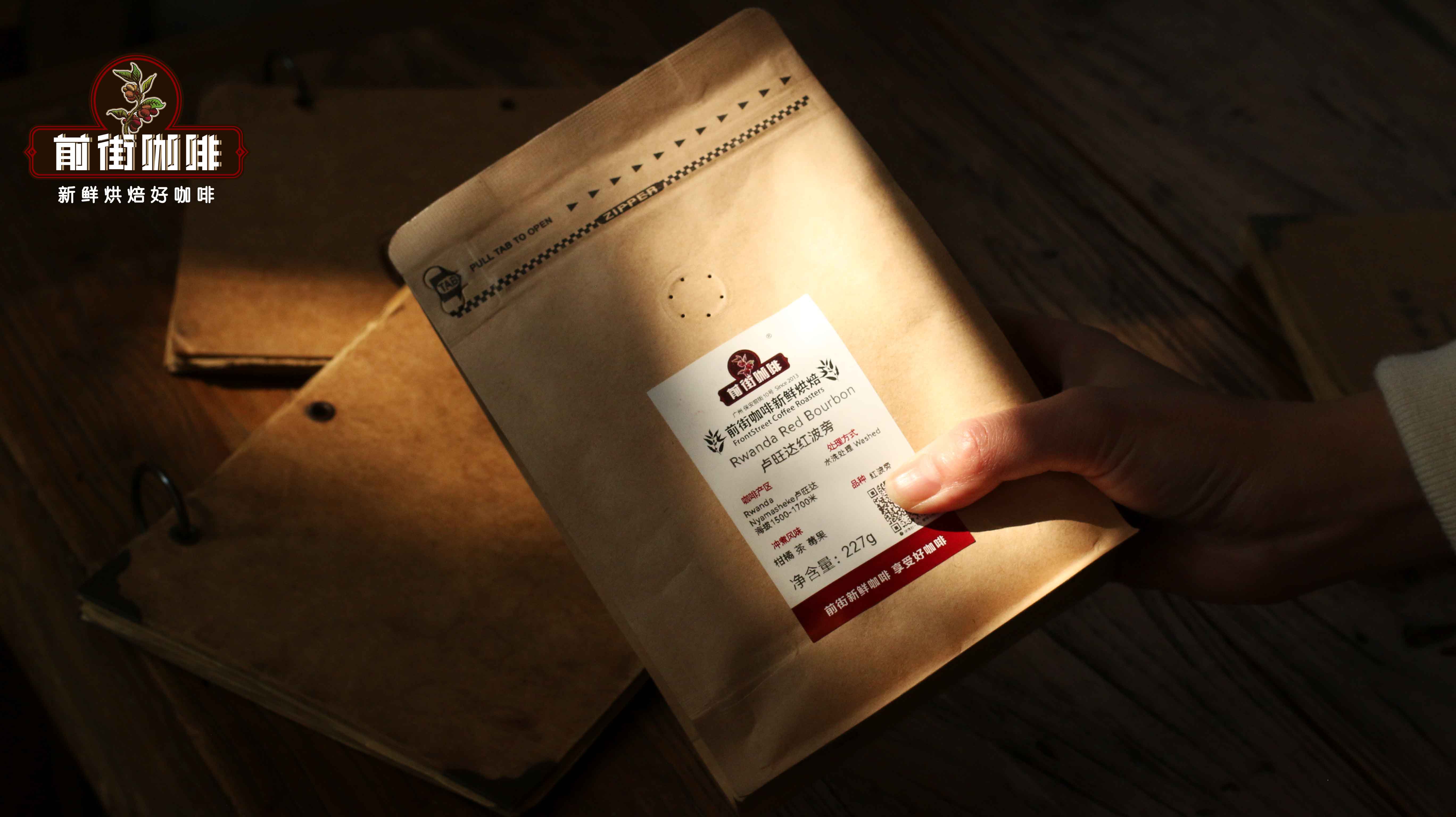
The Origin of Rwandan Washed Red Bourbon Coffee and a Detailed Explanation of Coffee Bean Grading
Although Rwanda is a small landlocked country in Africa, its superior terroir as the "Land of a Thousand Hills" has given rise to outstanding washed Red Bourbon coffee. Starting from its historical context, this article traces how coffee was introduced to this land and how it moved toward specialty status amid civil war and rebirth. It also explains Rwanda's coffee bean grading standards in detail, covering the definitions and uses of each grade from AA to STL, and introduces the origin information and flavor profile of Front Street Rwanda · Washed Red Bourbon, helping coffee lovers gain a comprehensive understanding of this rising African specialty region. [more…]
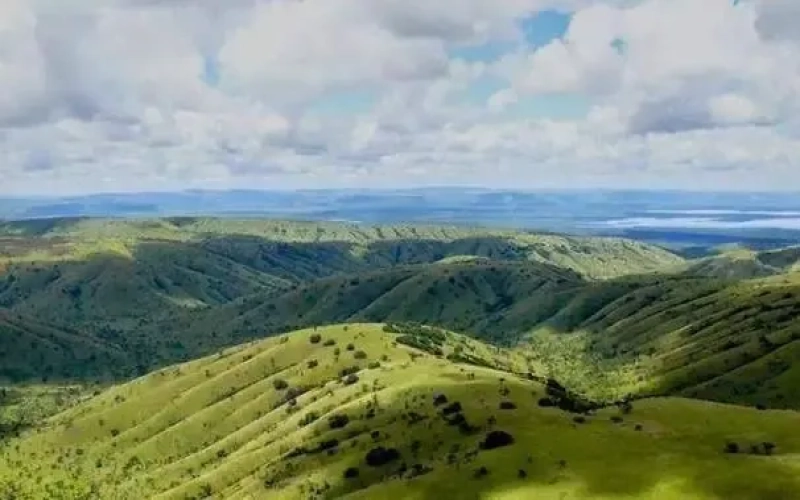
Rwanda's Lake Kivu Coffee Region: From Historical Turmoil to the Rise of Specialty Coffee
Rwanda, an East African highland country known as the "Land of a Thousand Hills," is claiming an increasingly important place on the global specialty coffee map. From coffee's introduction in 1904, to the post-1994 genocide effort to revive the economy through coffee, to breaking into the specialty market through the Cup of Excellence, Rwandan coffee has traveled an extraordinary road. Among its regions, the Lake Kivu production area—with its unique lake-and-volcano microclimate and benchmark washing stations such as Twumba—has become the emblem of Rwandan specialty coffee. This article takes you deep into the terroir code of the Lake Kivu region, along with related product information recommended by Front Street Coffee. [more…]